
 Healthwise
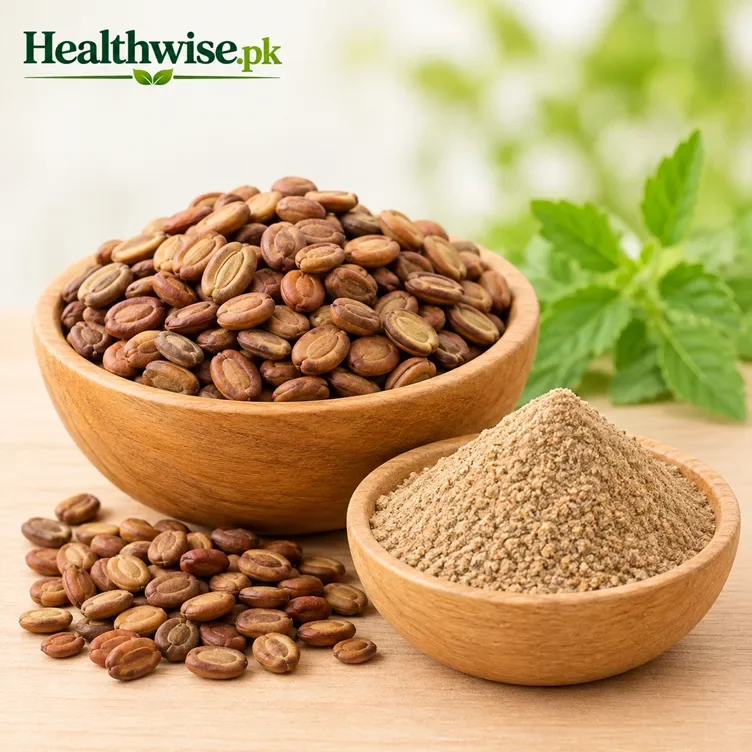
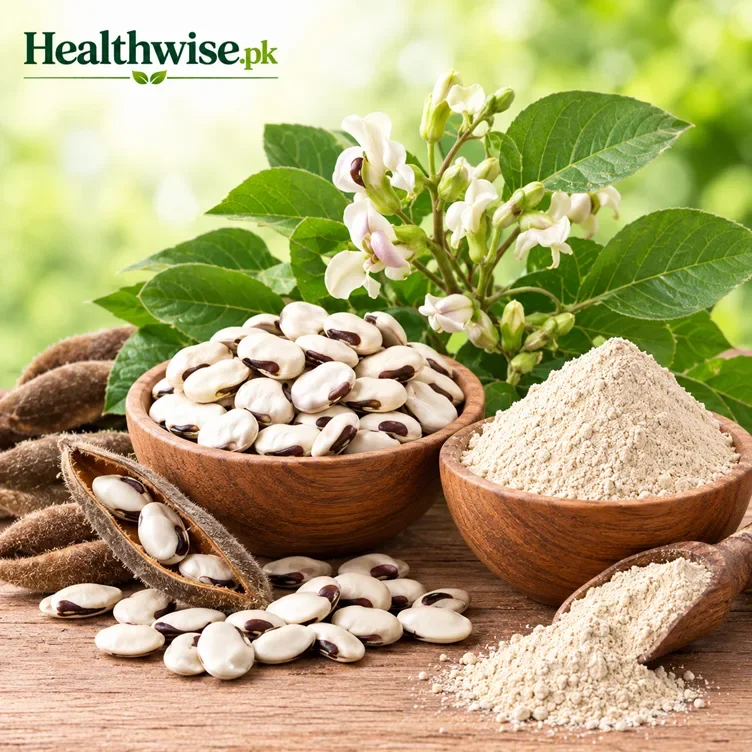
Tukhme Saras 100g
Botanical Name: Albizia lebbeck (L.) Benth.
English Name: Lebbek Tree Seeds
Other Names: Tukhm-e-Siris, Siris Seeds, Lebbeck Seeds, Shirish Seeds, Woman's Tongue Tree Seeds
Plant Family: Fabaceae
Key Benefits
-
Traditionally used in herbal preparations for respiratory wellness.
-
Contains naturally occurring flavonoids and saponins.
-
Provides various plant-based phytochemicals.
-
Traditionally valued for skin wellness.
-
Contains natural antioxidant compounds.
-
Traditionally included in preparations for general wellness.
-
Used as a botanical ingredient in traditional Unani and Ayurvedic practices.
Description
Tukhme Saras (Albizia lebbeck) consists of the dried seeds of the Lebbek Tree, also known as the Siris Tree. It is a medium to large deciduous tree belonging to the Fabaceae family and is widely found throughout South Asia and other tropical regions.
The seeds are traditionally collected from mature pods, cleaned, and dried for use in herbal preparations. They contain naturally occurring plant constituents, including proteins, carbohydrates, lipids, saponins, flavonoids, and phenolic compounds.
In traditional Unani and Ayurvedic practices, different parts of the Lebbek Tree have been used in various herbal formulations. Tukhme Saras is particularly recognized as a traditional botanical ingredient associated with respiratory and skin wellness. However, scientific evidence supporting specific medicinal benefits of the seeds in humans remains limited.
Benefits
1. Supports Respiratory Wellness
Different parts of the Lebbek Tree have traditionally been used in herbal preparations associated with respiratory health. However, the effectiveness of the seeds for respiratory conditions has not been established clinically.
2. Provides Antioxidant Compounds
Tukhme Saras contains naturally occurring phenolic compounds and flavonoids that have antioxidant properties.
3. Traditionally Used for Skin Wellness
In traditional herbal practices, preparations containing Lebbek Tree ingredients have been used for various skin-related concerns.
4. Contains Beneficial Plant Compounds
The seeds contain naturally occurring saponins, flavonoids, and other phytochemicals that contribute to their botanical composition.
5. Traditional Herbal Value
Tukhme Saras has a history of use in traditional South Asian herbal systems and is included in selected botanical formulations.
6. Provides Plant-Based Constituents
The seeds contain naturally occurring proteins, carbohydrates, and lipid components that contribute to their botanical composition.
How to Use
-
Whole Seeds: Use as an ingredient in traditional herbal preparations according to a qualified herbal practitioner's advice.
-
Herbal Powder: Grind the dried seeds when required for an appropriate traditional formulation.
-
Herbal Combinations: Can be incorporated into traditional botanical preparations under professional guidance.
-
Traditional Decoction: Preparation methods should follow a verified traditional formulation and professional advice.
Important: There is no well-established, scientifically validated dosage for Tukhme Saras seeds. Do not consume them as a self-prescribed treatment.
Important Safety Information
-
Scientific safety information regarding the medicinal consumption of Tukhme Saras seeds is limited.
-
Avoid medicinal use during pregnancy and breastfeeding unless specifically approved by a healthcare professional.
-
People with liver or kidney conditions should consult a healthcare professional before use.
-
Excessive consumption may cause digestive discomfort, including nausea or vomiting.
-
People taking regular medications should seek professional advice before using concentrated herbal preparations.
-
Do not use it as a substitute for prescribed treatment for asthma, respiratory infections, or skin conditions.
-
Ensure the seeds are correctly identified, clean, dry, and free from mold or contamination.
-
Store in an airtight container in a cool, dry place away from direct sunlight.
تخم سرس ایک روایتی نباتاتی جزو ہے جو سرس کے درخت کے پختہ پھلوں سے حاصل کیا جاتا ہے۔ اس درخت کو مختلف علاقوں میں سرس اور شریش کے نام سے بھی جانا جاتا ہے۔ اس کے بیجوں میں قدرتی نباتاتی لحمیات، روغنی اجزاء، سیپوننز، فلیوونائڈز اور دیگر قدرتی مرکبات پائے جاتے ہیں۔ روایتی طب میں اس درخت کے مختلف حصوں کو سانس کی صحت اور جلد کی نگہداشت سے متعلق مرکبات میں استعمال کیا جاتا رہا ہے۔ اس کے بیج بھی مختلف روایتی نسخوں میں بطور نباتاتی جزو شامل کیے جاتے ہیں۔ اس میں موجود قدرتی ضد تکسیدی اجزاء اسے نباتاتی اعتبار سے اہم بناتے ہیں۔ اس کے طبی استعمال کے بارے میں سائنسی شواہد محدود ہیں، اس لیے اسے کسی بیماری کے علاج کا متبادل نہیں سمجھنا چاہیے اور اس کا استعمال مستند معالج کے مشورے سے کرنا چاہیے۔
Related...
Post your review
Your feedback helps others make better choices.