
 Healthwise
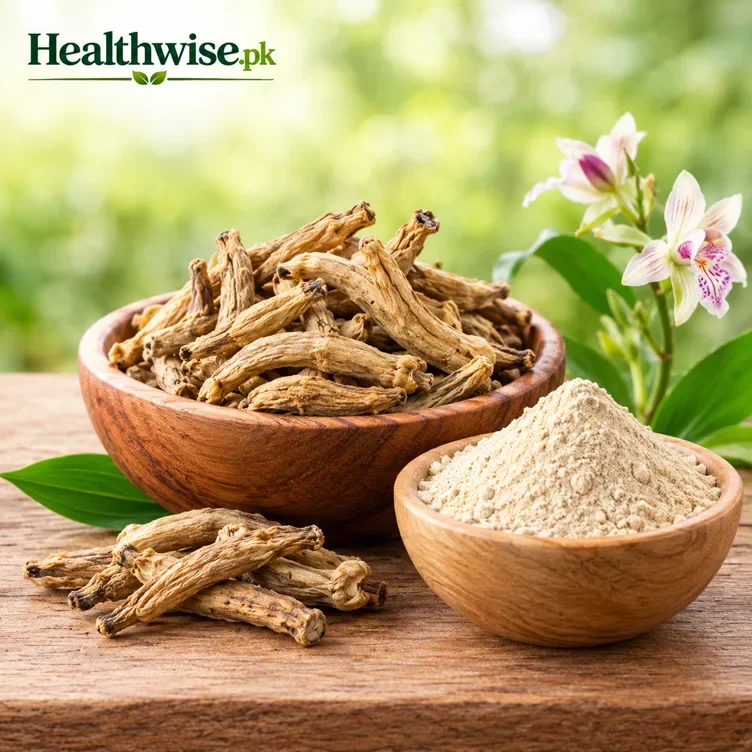
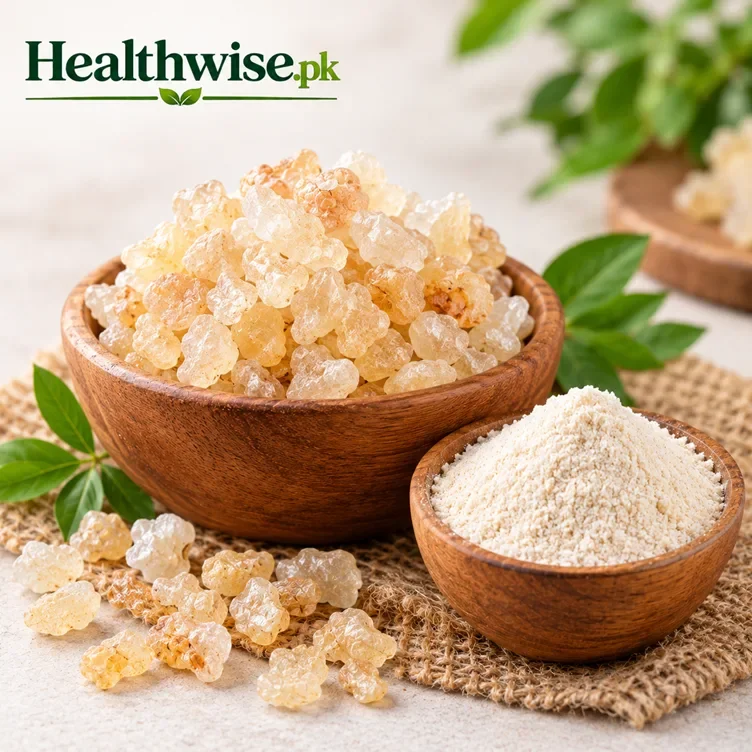
Marsh Orchid (Salab Panja) 50g
Botanical Name: Dactylorhiza hatagirea (D. Don) Soó — commonly associated with Himalayan Salab Panja.
Other Names: Salab Panja, Salam Panja, Marsh Orchid, Himalayan Marsh Orchid, Hathajari
Plant Family: Orchidaceae
Plant Part Used: Dried Tubers / Roots
Key Benefits
-
Traditionally valued for general vitality and nourishment.
-
Contains natural plant polysaccharides and mucilage.
-
Traditionally used in restorative herbal preparations.
-
Traditionally associated with male reproductive wellness.
-
Provides naturally occurring plant-based constituents.
-
Traditionally used in preparations for general strength.
-
Valued in Unani and traditional Himalayan herbal practices.
Description
Marsh Orchid (Salab Panja) is a traditional Himalayan medicinal orchid valued for its distinctive hand-shaped underground tubers. It is commonly associated with Dactylorhiza hatagirea, a perennial orchid native to the Himalayan region, including parts of Pakistan, India, Nepal, and surrounding mountainous areas.
The dried tubers are traditionally used in Unani and Ayurvedic herbal formulations. They contain mucilage, polysaccharides, starch, and other naturally occurring botanical constituents. Their nourishing and restorative reputation has made them a valued ingredient in traditional herbal preparations.
Salab Panja has historically been used in formulations associated with general vitality, nourishment, and male reproductive wellness. However, strong clinical evidence supporting these specific medicinal effects in humans remains limited.
Benefits
1. Traditionally Used for General Vitality
Salab Panja has traditionally been included in restorative herbal preparations intended to support general strength and vitality.
2. Provides Natural Polysaccharides
Its tubers contain polysaccharides and mucilage, which contribute to their traditional nourishing and soothing properties.
3. Supports Digestive Wellness
Traditionally used in herbal preparations for digestive comfort and gastrointestinal wellness.
4. Traditionally Valued for Male Wellness
Used in traditional herbal formulations associated with male reproductive wellness and vitality. However, clinical evidence supporting these effects in humans is insufficient.
5. Contains Beneficial Plant Compounds
Contains naturally occurring glycosides, phenolic compounds, flavonoids, and other phytochemicals that contribute to its botanical properties.
6. Traditionally Used as a Restorative Herb
Historically valued in Himalayan and Unani herbal practices as an ingredient in nourishing preparations for general weakness and debility.
How to Use
-
Herbal Powder: Traditionally prepared from dried tubers and incorporated into herbal formulations under professional supervision.
-
With Milk: Traditionally, its powder has been mixed with milk as part of restorative preparations.
-
Herbal Combinations: Can be included in traditional formulations alongside other herbs under the guidance of a qualified practitioner.
-
Traditional Decoction: Dried tubers may be used in traditional water-based preparations according to established formulations.
Important: There is no universally established, clinically validated dosage. Due to conservation concerns, use only legally sourced and authenticated material. Avoid self-medication.
Important Safety Information
-
Salab Panja is associated with threatened Himalayan orchid species, including Dactylorhiza hatagirea. Wild collection can contribute to its decline.
-
The species is reported in CITES Appendix II trade documentation. International trade may require appropriate permits and compliance with applicable regulations.
-
Purchase only from legally authorized, traceable, and conservation-compliant sources.
-
Avoid medicinal use during pregnancy and breastfeeding unless specifically advised by a healthcare professional.
-
Consult a qualified healthcare professional before use if you have an existing medical condition or take regular medication.
-
Scientific evidence regarding long-term safety and appropriate dosage in humans remains limited.
-
Discontinue use if allergic reactions or digestive discomfort occur.
-
Do not use it as a substitute for prescribed medical treatment.
-
Store in an airtight container in a cool, dry place away from direct sunlight.
ثعلب پنجہ ایک نایاب پہاڑی نباتات ہے جسے روایتی طب میں خاص اہمیت حاصل ہے۔ اسے عموماً اس کی ہاتھ کی انگلیوں جیسی شکل رکھنے والی جڑوں کی وجہ سے پنجہ کہا جاتا ہے۔ یہ پودا ہمالیہ کے بلند اور سرد پہاڑی علاقوں میں قدرتی طور پر اگتا ہے۔ اس کی خشک جڑوں میں قدرتی نشاستہ، لعاب دار اجزاء، نباتاتی لحمیات اور دیگر قدرتی مرکبات پائے جاتے ہیں۔ روایتی طور پر اسے جسمانی طاقت، عمومی توانائی، غذائیت اور مردانہ صحت سے متعلق مختلف حکیمی مرکبات میں شامل کیا جاتا رہا ہے۔ اسے دودھ اور دیگر نباتاتی اجزاء کے ساتھ بھی روایتی طور پر استعمال کیا جاتا ہے۔ اس کے طبی فوائد کے بارے میں انسانی تحقیق محدود ہے، اس لیے اسے کسی بیماری کے علاج کا متبادل نہیں سمجھنا چاہیے۔ یہ ایک نایاب اور خطرے سے دوچار پودا ہے، لہٰذا اس کی خریداری صرف قانونی اور قابل اعتماد ذرائع سے کرنی چاہیے
Related...
Post your review
Your feedback helps others make better choices.