
 Healthwise
Wasabi Powder 100g
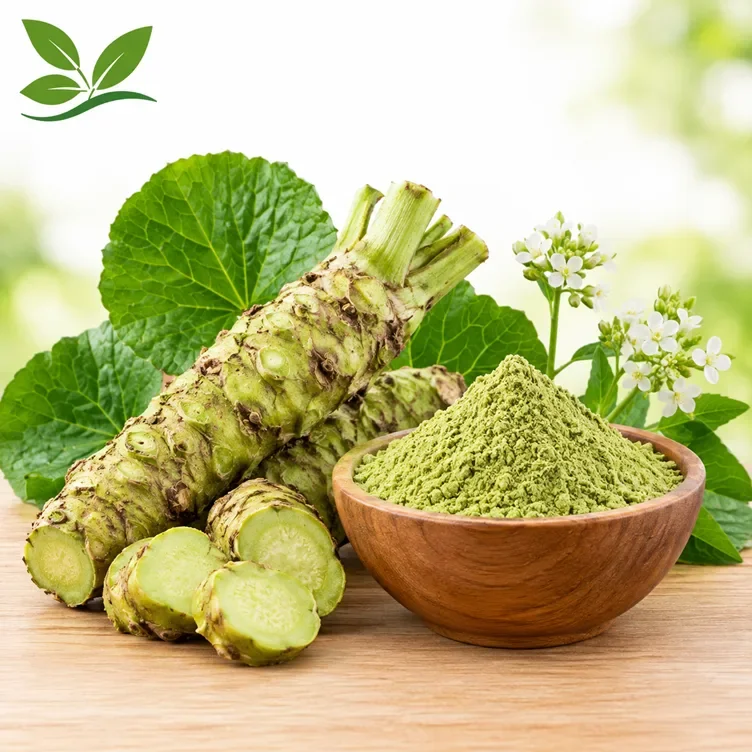
Wasabi
Botanical Name: Eutrema japonicum (Miq.) Koidz.
Other Names: Japanese Horseradish, Japanese Wasabi, Wasabi Root, Wasabi Rhizome, Mountain Wasabi
Plant Family: Brassicaceae
Plant Part Used: Rhizome (Underground Stem)
Key Benefits
-
Contains naturally occurring antioxidant compounds.
-
Rich in glucosinolates and isothiocyanates.
-
Traditionally used in Japanese cuisine.
-
Contains natural sulfur-based plant compounds.
-
Supports dietary variety as a flavorful condiment.
-
Provides naturally occurring vitamin C and minerals.
-
Contains bioactive compounds studied for their antimicrobial properties.
Description
Wasabi (Eutrema japonicum) is a perennial plant native to Japan and belongs to the Brassicaceae family, which also includes mustard, cabbage, broccoli, and horseradish. It is widely recognized for its distinctive sharp flavor and pungent aroma.
The underground rhizome is the most commonly used part of the plant. Fresh Wasabi rhizome is traditionally grated into a green paste and served with sushi, sashimi, and other Japanese dishes.
Wasabi contains naturally occurring glucosinolates, particularly sinigrin, which can produce pungent isothiocyanates when the plant tissue is crushed or grated. These compounds contribute to its characteristic flavor and have attracted scientific interest for their antioxidant and antimicrobial properties.
Authentic Wasabi is considered a specialty culinary ingredient. Many commercially available Wasabi pastes and powders contain horseradish, mustard, starch, and coloring rather than pure Wasabi.
Benefits
1. Provides Antioxidant Compounds
Wasabi contains naturally occurring plant compounds with antioxidant activity that may help protect cells against oxidative stress.
2. Contains Natural Isothiocyanates
Its glucosinolates produce isothiocyanates when the rhizome is grated or crushed. These sulfur-containing compounds are studied for various biological properties.
3. Supports Dietary Variety
Wasabi adds a distinctive spicy flavor to meals and can enhance the taste of vegetables, seafood, and other dishes.
4. Contains Antimicrobial Compounds
Certain Wasabi-derived compounds have demonstrated antimicrobial activity in laboratory studies. Their effectiveness in treating human infections has not been established.
5. Provides Natural Plant Nutrients
Wasabi contains small amounts of vitamin C, minerals, and other naturally occurring plant nutrients.
6. Traditionally Valued in Japanese Cuisine
It has a long culinary history and is commonly used as a flavorful accompaniment to sushi, sashimi, noodles, and other traditional dishes.
How to Use
-
Fresh Rhizome: Finely grate fresh Wasabi and serve immediately with sushi, sashimi, or seafood.
-
Wasabi Paste: Mix authentic Wasabi powder with a small amount of water to form a smooth paste, following the manufacturer's instructions.
-
Seasoning: Add a small quantity to sauces, dressings, and dips.
-
Salads: Mix a little Wasabi into salad dressings for a distinctive spicy flavor.
-
Culinary Preparations: Use in marinades, mayonnaise, and selected seafood recipes.
Important: Wasabi is primarily a culinary ingredient. There is no established medicinal dosage for Wasabi rhizome or extracts.
Important Safety Information
-
Consume in moderate culinary quantities because its pungent compounds may irritate the mouth and digestive tract.
-
Excessive consumption may cause stomach discomfort, heartburn, or nausea.
-
Individuals allergic to mustard, horseradish, or other Brassicaceae plants should exercise caution.
-
People with sensitive digestive systems should introduce it gradually.
-
Avoid contact with the eyes because freshly grated Wasabi can cause significant irritation.
-
Pregnant and breastfeeding women should stick to normal culinary quantities and seek professional advice before using concentrated extracts.
-
Choose authentic, food-grade Wasabi products from reliable suppliers.
-
Store fresh Wasabi rhizomes according to the supplier's instructions to maintain freshness and quality.
واسابی ایک خوشبودار اور تیز ذائقے والا قدرتی پودا ہے جس کا تعلق خاندانِ شبدر سے ہے۔ یہ بنیادی طور پر جاپان میں پایا جاتا ہے اور اس کی زیر زمین موٹی شاخ کو غذائی استعمال کے لیے خاص اہمیت حاصل ہے۔ اس کا ذائقہ منفرد اور قدرے تیز ہوتا ہے، اسی لیے اسے روایتی جاپانی کھانوں میں خصوصاً مچھلی، سوشی اور دیگر غذاؤں کے ساتھ استعمال کیا جاتا ہے۔ واسابی میں قدرتی گلوکوسینولیٹس اور سلفر پر مشتمل نباتاتی اجزاء پائے جاتے ہیں جو اسے اس کی مخصوص خوشبو اور تیزی فراہم کرتے ہیں۔ ان اجزاء میں ضد تکسیدی خصوصیات بھی پائی جاتی ہیں اور ان پر سائنسی تحقیق جاری ہے۔ اسے چٹنی، سلاد کی آمیزش اور مختلف غذائی تیاریوں میں تھوڑی مقدار میں شامل کیا جا سکتا ہے۔ اس کا زیادہ استعمال معدے میں جلن اور تکلیف پیدا کر سکتا ہے، اس لیے مناسب مقدار میں استعمال کرنا بہتر ہے
Related...



Post your review
Your feedback helps others make better choices.